A Fresh Take on Panettone Marietta
Discover a refreshed approach to the classic Italian Panettone Marietta, perfect for a festive, flavor-rich holiday treat.

Servings
.svg)
Prep Time

Cook Time

Ingredients

Total Time
Ingredients
Biga (Pre-Ferment)
- 180 g all-purpose flour
- A small pinch of instant yeast (about 1/8 tsp)
- 120 ml room-temperature water
Panettone Dough
- All of the biga
- 200 g all-purpose flour, sifted
- 110 g unsalted butter, softened (left out overnight)
- 130 g granulated sugar
- 20 g vanilla sugar
- 150 g mixed dried fruits (sultanas, candied orange peel, candied lemon peel)
- 1 tsp vanilla extract
- 6 g dried orange peel
- 2 medium eggs, at room temperature
- Pinch of salt
- 5 g baking powder
- 4 g instant yeast
- 2 tbsp lemon juice
- 20–60 ml milk (added gradually until dough resembles thick sponge-cake batter)
Glaze
- 70 g icing sugar
- ½ cup pistachio paste
- 1-2 tbsp water
- ¼ cup chopped pistachios
- 1–2 tbsp candied fruits
Equipment
- Stand mixer with paddle attachment
- Mixing bowls
- Spatula
- 500 g panettone mold
- Baking tray
- Cooling rack
Instructions
It’s time to revisit an old classic and adapt it to our modern needs and ways of cooking. This journey led me to explore an Italian gem from Pellegrino Artusi’s revered book, L’arte Di Mangiar Bene. Among the many treasures, I chose to modernize the recipe for Panettone Marietta.
However, before we delve into this updated version, it's essential to clarify: if you're looking for a traditional Panettone recipe, this one takes a slightly different path. It results in a thicker, richer, and delightfully nostalgic sweet bread that resembles the flavors of childhood rather than the typical Panettone. Anyway, this is my version of "Panettone Marietta."
My Modernized Recipe
- Prepare the Biga: Combine flour and yeast, add water, and mix until you get a soft, shaggy dough.
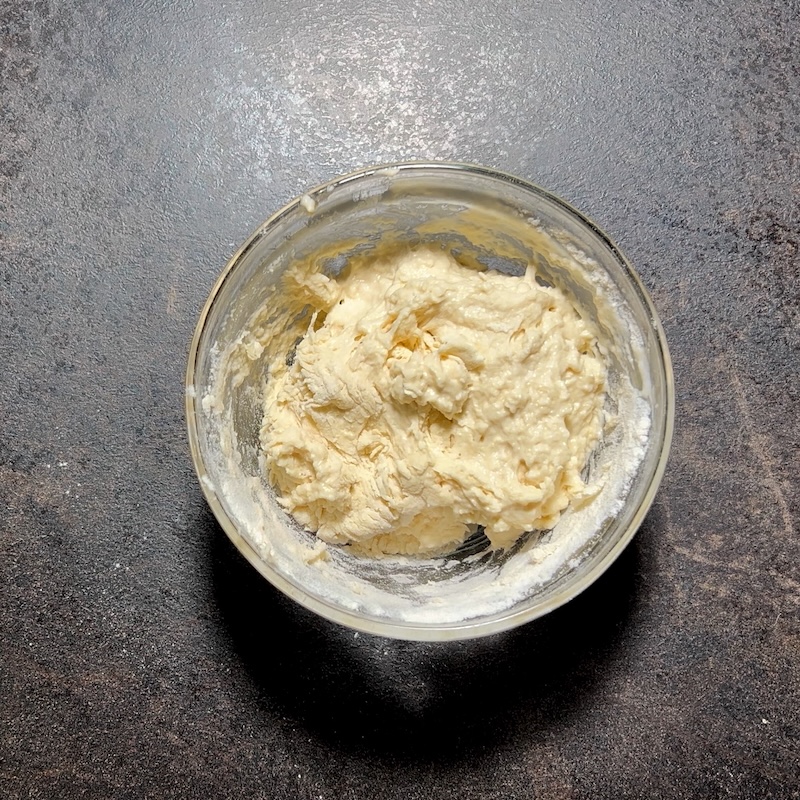
- Cover and leave to ferment for 12–16 hours, until the mixture is aerated and bubbly.
- Make the Dough: Place the sifted flour, sugars, salt, baking powder, instant yeast, eggs, butter, vanilla, dried orange peel, biga, and the dried fruits into the stand mixer.
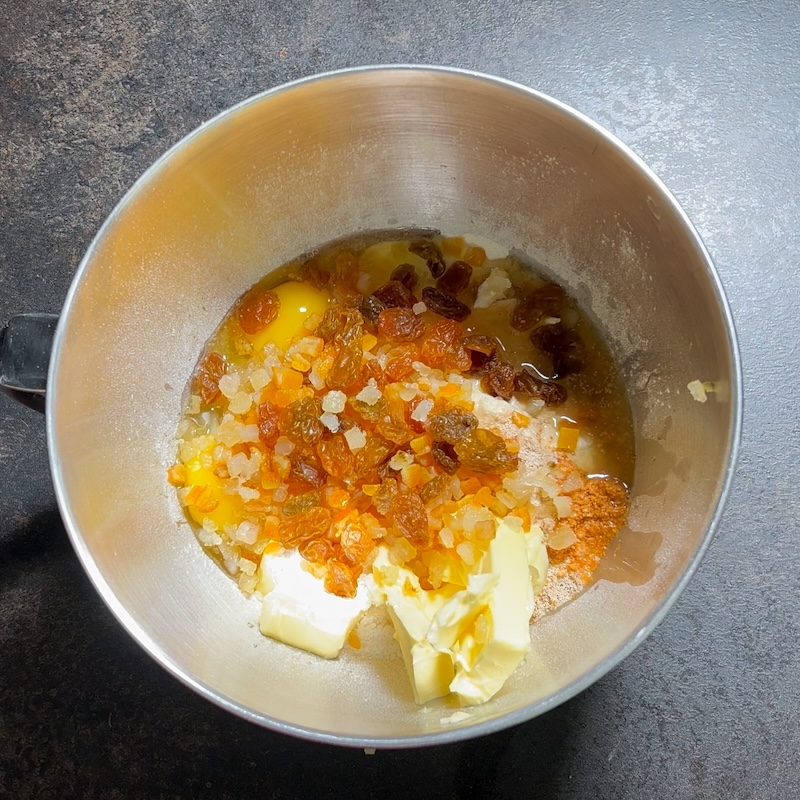
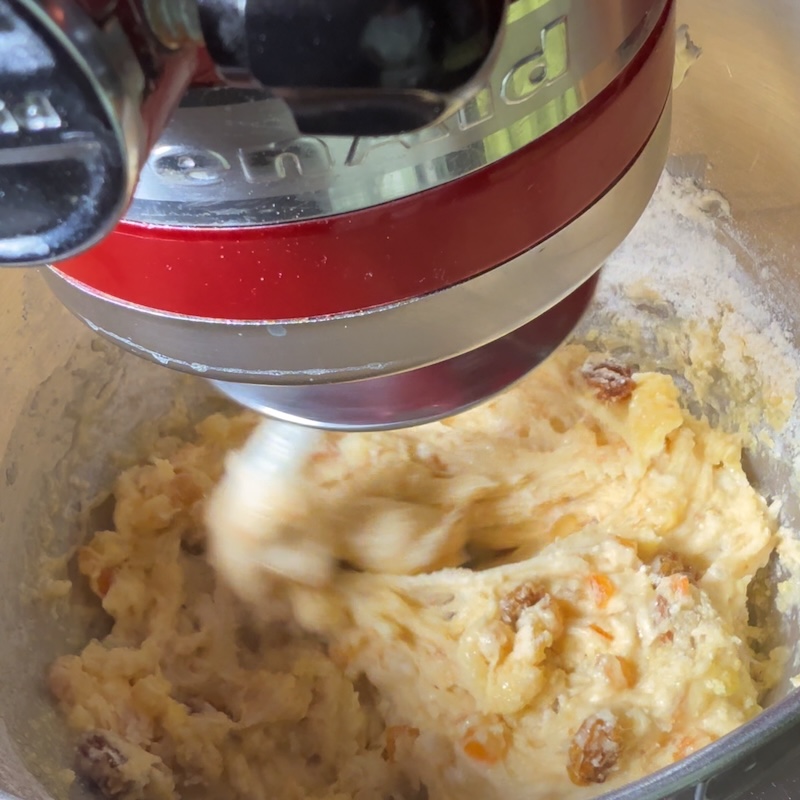
- Mix until fully combined. Slowly drizzle in the milk until the dough looks like a thick, high-hydration batter.
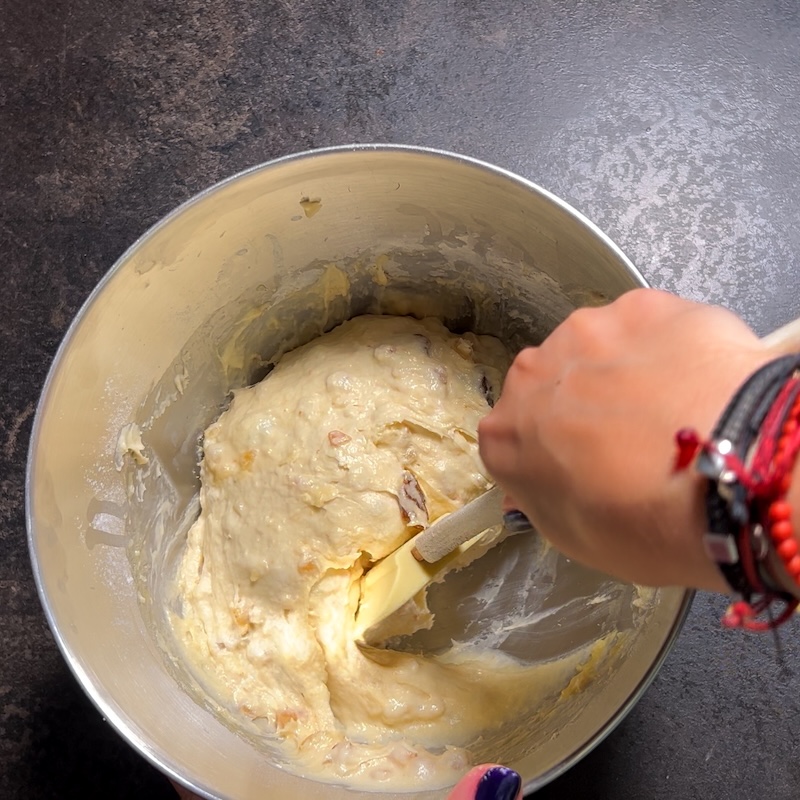
- I like to finish this part manually with a spatula, just to make sure that there are no pockets of flour remaining.
- First Dough Rest: Cover and let rise for 2 hours in a warm space.
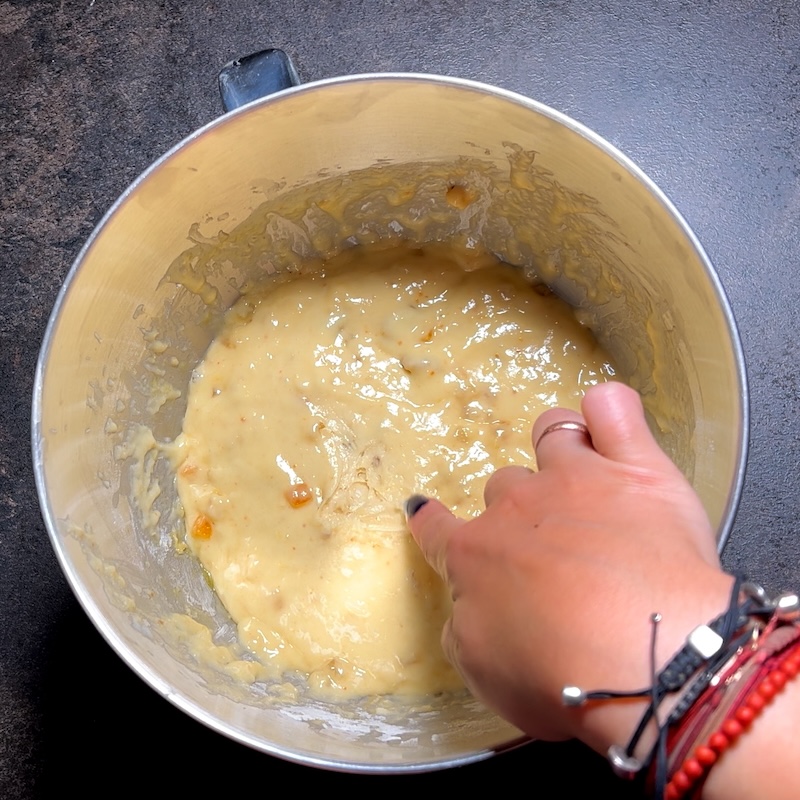
- Shape: Pour the soft dough directly into a 500g panettone pan.
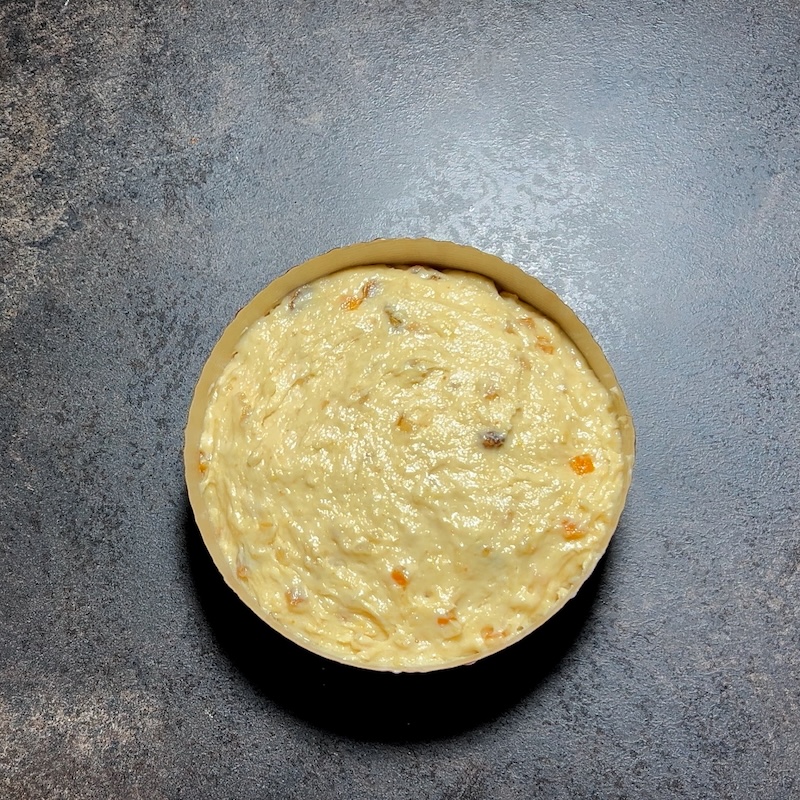
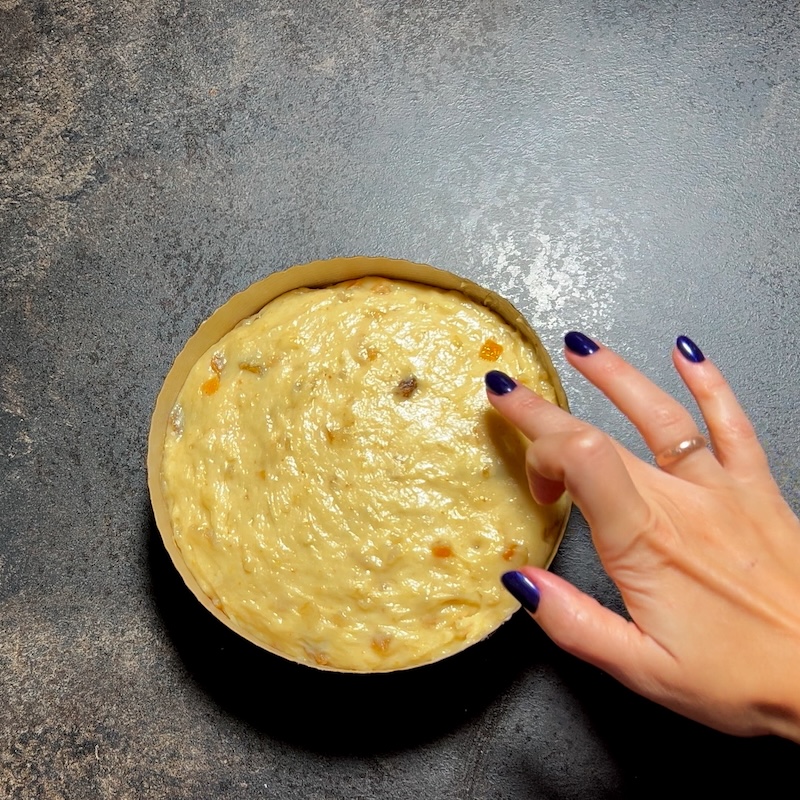
- Second Dough Rest: Let it rise again for about 3 hours.
- It won't rise dramatically—this dough is heavy—but it should feel velvety and airy to the touch.
- Bake: Bake at 170°C (340°F) for around 1 hour. Test with a toothpick to make sure it's fully baked.
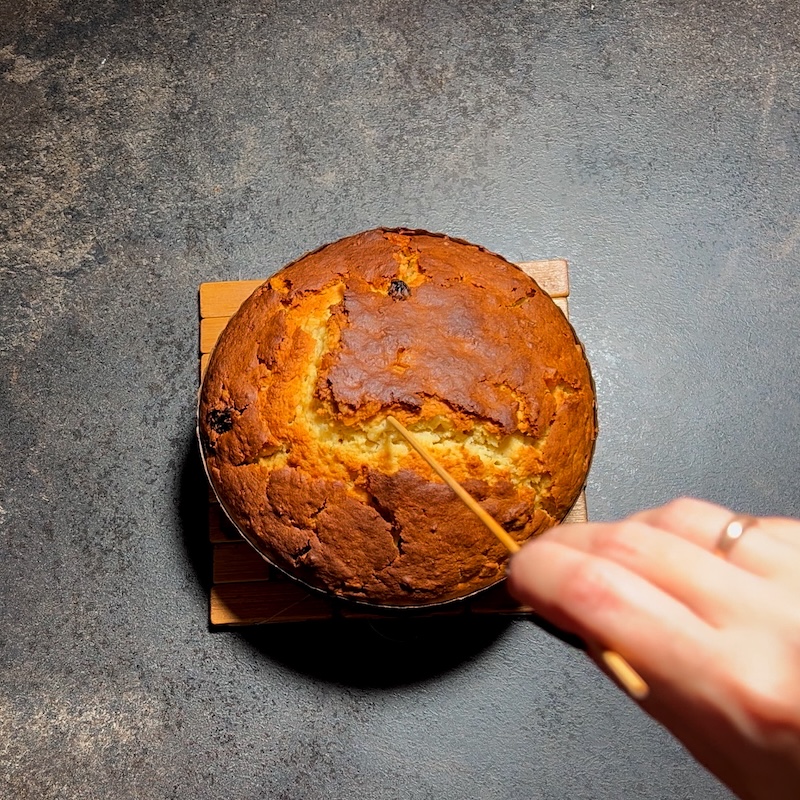
- Cover loosely with foil if it browns too quickly.
- Cool: Allow it to cool completely before removing it from the mold and applying the glaze.
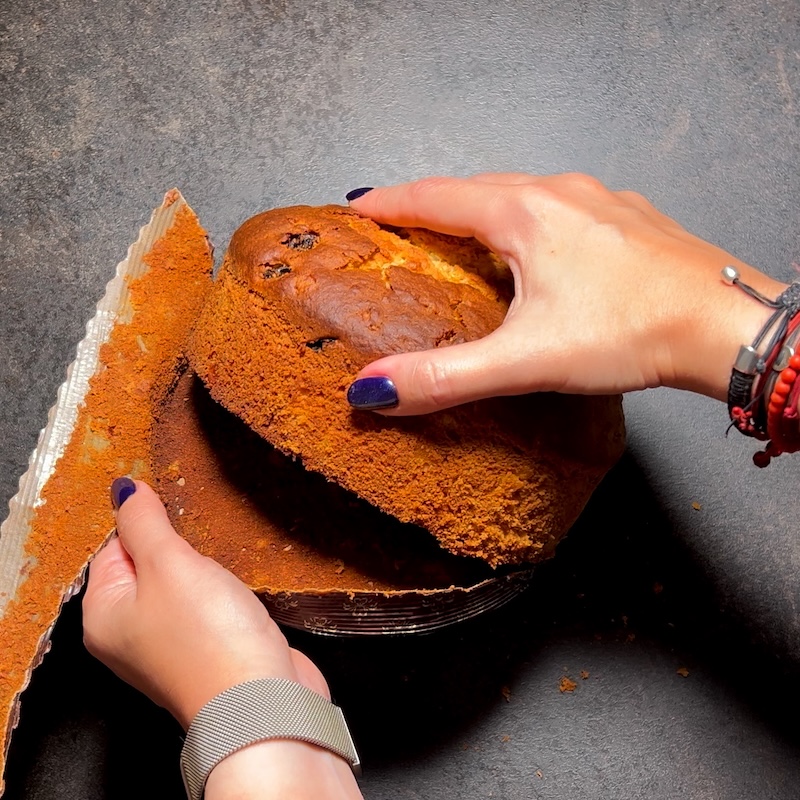
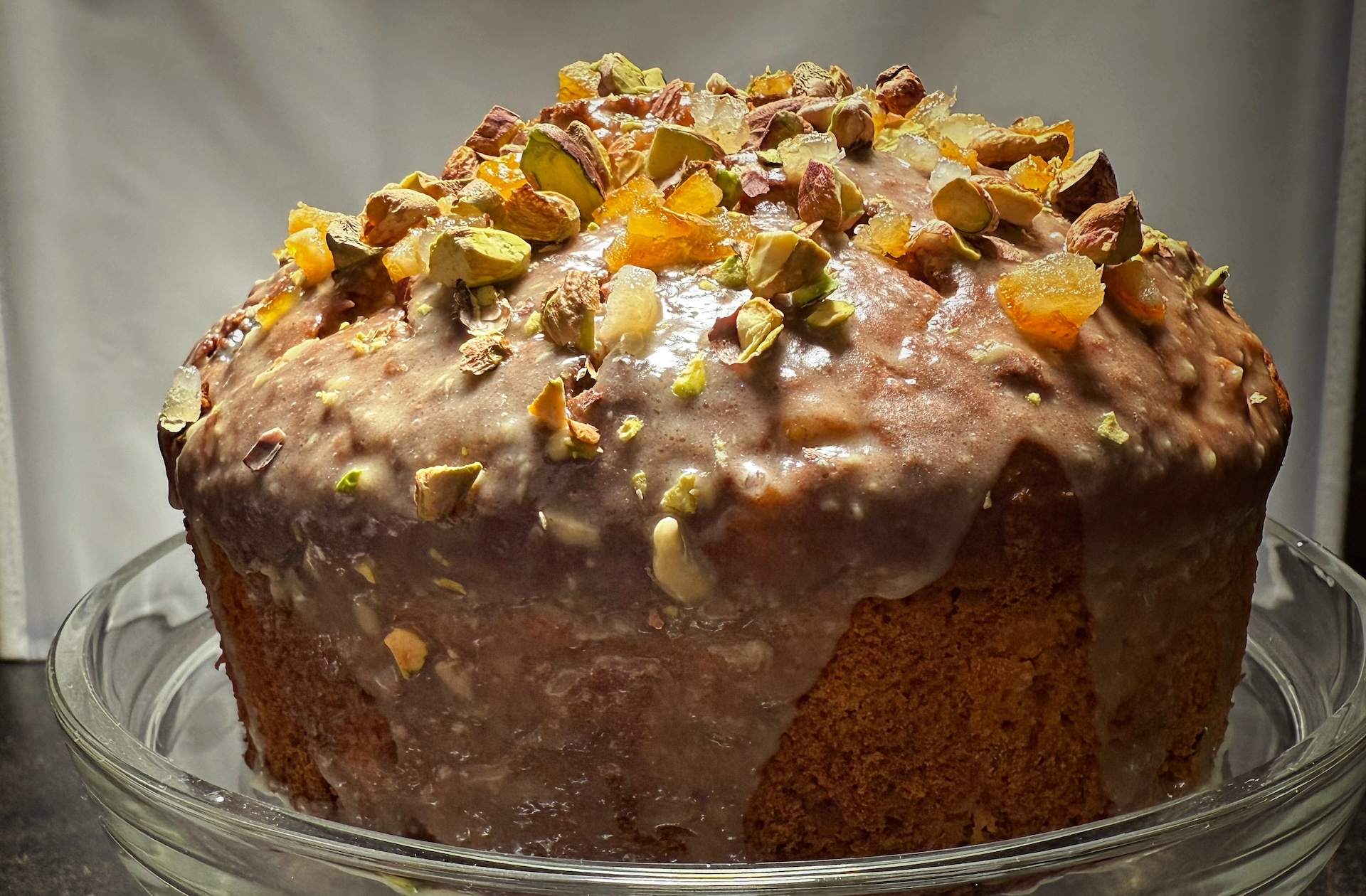
- Glaze: Mix icing sugar with water, add pistachio paste.
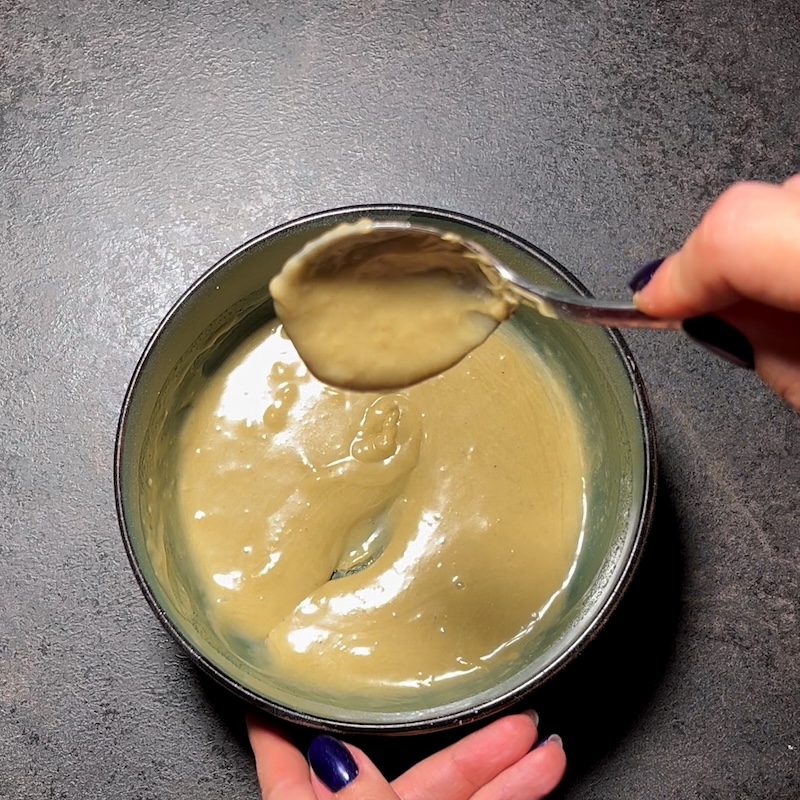
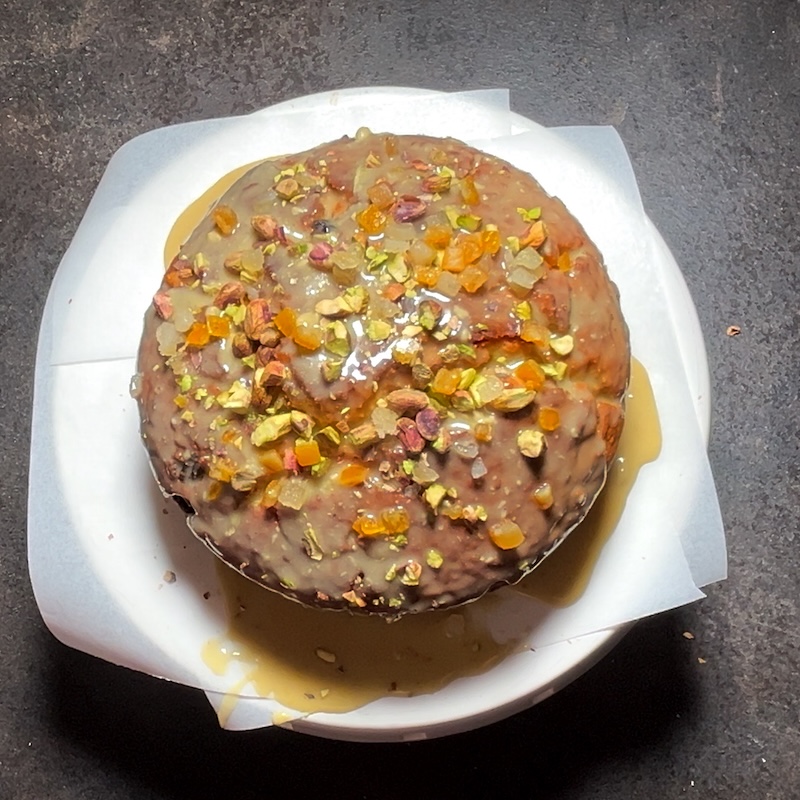
- Spread over the cooled pistachio panettone.
- Finish with chopped pistachios and candied fruits.
If you want to see the original recipe that I took as reference for my modernized version, you can find it below:
Original Recipe: Panettone Marietta
Ingredients:
- Fine flour: 300 grams
- Butter: 100 grams
- Sugar: 80 grams
- Sultanas (raisins): 80 grams
- Eggs: 1 whole and 2 yolks
- A pinch of salt
- Cream of tartar: 10 grams
- Bicarbonate of soda: 1 teaspoon (about 5 grams)
- Candied citron, finely chopped: 20 grams
- Lemon zest oil: 2 drops
- Milk: enough to dilute, approximately half a cup
Instructions:
In the winter, soften the butter in a bain-marie and mix it with the eggs.
Gradually add the flour and milk to the mixture, little by little.
Add the sultanas last. Before incorporating them, knead the dough for at least half an hour or until it has reduced to the correct consistency with the milk—it should be neither too liquid nor too dense.
Transfer the dough into a smooth, tall baking mold without crosspieces so it can form a round loaf shape. Ensure the mold is well-greased with butter, dusted with sugar, and the bottom covered with flour.
Place in the oven. If it rises well, it should form a nice, puffed cap on top.
Commentary: History, Inspiration & How This Modern Panettone Was Born
The story behind this recipe goes far beyond ingredients. It begins with the desire to reconnect with Italy's culinary heritage while adapting it to the way many of us cook today. Artusi's Panettone Marietta was already a simplified household version of the classic Milanese panettone cake, created at a time when yeast wasn't widely accessible, and families relied on chemical leavening and intuition.
Its texture was closer to a soft, rich sweet bread than to the tall, airy holiday bread we see hanging upside down in bakeries around Christmas. When revisiting this recipe, I wanted to honor that rustic charm while bringing in techniques we use at home—slow fermentation for flavor, controlled hydration, and a gentle dough rest to create tenderness without complex kneading.
Cultural Influences
The original Italian recipe was influenced by peasant cooking: modest ingredients, simple methods, and the desire to make festive foods accessible.
My version brings in modern pastry principles—biga fermentation for complexity, precise hydration, and the addition of pistachio glaze, which adds a contemporary Mediterranean twist.
Why Pistachios?
Because they bridge tradition and innovation beautifully. Pistachios are deeply rooted in Italian desserts, yet a pistachio glaze on panettone bread feels modern, vibrant, and festive.
The combination of citrus, dried fruits, butter, and pistachio paste creates a flavor profile that feels both nostalgic and new.
Nutritional Notes
This enriched bread is naturally high in:
- healthy fats from nuts and butter
- carbohydrates from flour and fruits
- micronutrients from citrus peel and dried fruit
While it's an indulgent holiday bake, the long fermentation helps improve digestibility, and the absence of artificial ingredients keeps the profile clean and natural.
Why This Recipe Works
Because it respects the past while embracing the present.
Using a long-fermented biga gives flavor without requiring an overnight rise in the mold.
The high hydration keeps the crumb soft and velvety.
And baking in a panettone pan gives structure without demanding the traditional tall rise.
This recipe is nostalgic, delicious, and achievable in any home kitchen—just as Artusi would have wanted.
How Our Version Evolved from the Original
When I first read Artusi’s recipe for Panettone Marietta, I immediately understood why it survived more than a century. It was simple, humble, and deeply comforting. His version relied on pantry staples, chemical leavening, and a good amount of elbow grease. No yeast, no fermentation, no fancy aromas — just flour, butter, sugar, raisins, and patience. It was a recipe shaped by the rhythm of the 19th-century Italian household.
But when I began testing it in my own kitchen, something interesting happened. The more I worked with the dough, the more I felt that the recipe wanted to grow — to breathe a little more, to become softer, richer, and more fragrant. So I started adapting it, not to change its identity, but to help it shine in a modern setting.
The first change was introducing a biga, a slow overnight ferment that brings depth and tenderness. Artusi didn’t use yeast, but fermentation adds a beautiful, natural aroma that fits the spirit of the recipe. I also enriched the dough with a bit more butter and sugar, added citrus peel, vanilla, and a mix of dried fruits to create layers of flavor that feel festive and familiar today. The stand mixer replaced the long kneading Artusi required, and the dough became intentionally wetter — more like a thick cake batter than a traditional panettone dough.
And then came the glaze. Artusi served his Marietta plain, but I wanted a signature finish, something that would connect tradition with our own kitchen style. Pistachio felt perfect — Italian, creamy, aromatic, and beautiful on the final loaf. It turns this humble sweet bread into a centerpiece.
In the end, what came out of the oven wasn’t a classic panettone and wasn’t exactly Artusi’s original either. It became something in between: a nostalgic sweet bread with a modern personality, shaped by time, memory, and the way we cook today. It honors the past, but it belongs to our table.
Wiki Facts About Panettone
Panettone is traditionally a Christmas cake from Milan, Italy, that dates back to the Roman Empire, though its modern form developed in the late 19th century.
It is known for its dome shape and is typically made from a dough similar to bread dough with added fruits.
Panettone has a light, airy texture due to its long proofing times, and it is customarily enjoyed during the holiday season.
Frequently Asked Questions
Before we move to the conclusion, here are some helpful answers to the most common questions about making panettone at home:
Q: How long does homemade panettone stay fresh?
A: Stored airtight, it stays fresh 2–3 days at room temperature or up to 10 days in the fridge.
Q: Can I freeze panettone?
A: Yes. Wrap it tightly in plastic + foil and freeze for up to 3 months.
Q: Is this the same as traditional panettone?
A: No—this is a modernized historical recipe. It's richer and denser, closer to sweet bread than commercial panettone cake.
Q: How should I eat panettone?
A: With morning coffee, toasted with butter, with mascarpone cream, or simply sliced as a festive dessert.
Q: Do I need a panettone mold?
A: A panettone pan helps achieve the classic tall structure, but any tall-sided baking mold works.
Conclusion
That's it—my modern reinterpretation of a beloved Italian sweet bread.
I truly hope you will test this dish and tag us when you do. I would love to see your version of this homemade panettone recipe and how it brings warmth into your home.
The full video of the recipe is available on YouTube, so make sure to check it out—and don't forget to like and subscribe for more delicious stories from our kitchen.